
Indian Startup IPO Pipeline Gains Momentum as 29 Startups File DRHPs
India’s startup ecosystem is entering another significant phase in the public markets, with a growing number of new-age companies preparing to transition from venture-backed businesses to publicly listed enterprises.
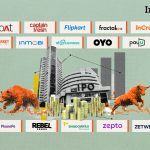
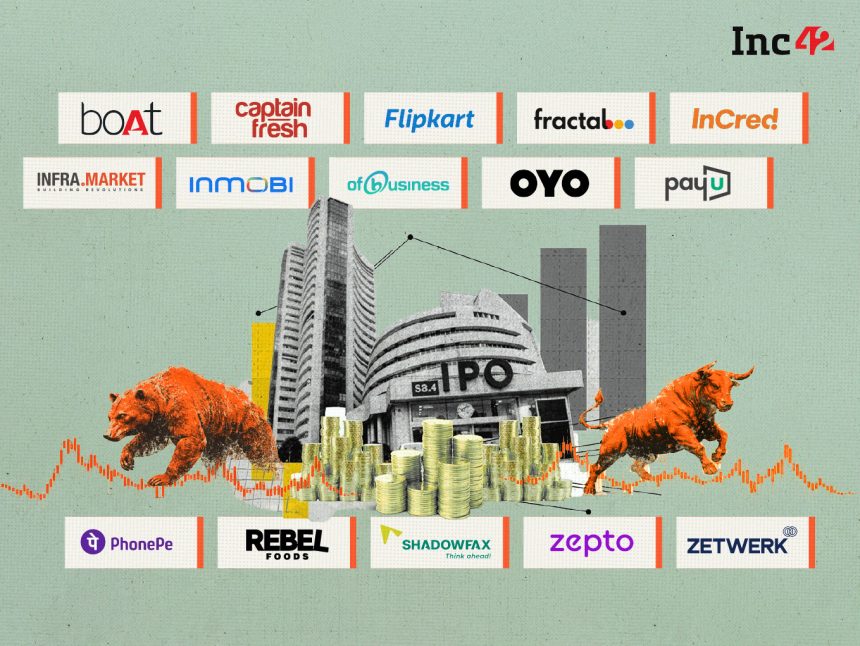
According to a September 20, 2026 tracker from Inc42, 29 Indian startups have filed Draft Red Herring Prospectuses (DRHPs) with the Securities and Exchange Board of India (SEBI), while more than 25 additional startups are at different stages of preparing their IPO plans. The pipeline includes companies across fintech, ecommerce, consumer technology, manufacturing, SaaS, logistics and other sectors.
The development follows a strong 2025 for Indian startup listings. Inc42 reported that 18 Indian startups listed on the stock exchanges in 2025, collectively raising around ₹41,248 crore from public markets. The momentum has continued into 2026, with several new-age technology companies making their market debuts or progressing through the IPO process.
Major Startups in the IPO Pipeline
Some of India’s prominent technology and consumer startups are either preparing for an IPO or have already entered the formal filing process.
OYO, the hospitality and travel-tech company, remains among the major names associated with India’s startup IPO pipeline. Razorpay, one of India’s largest fintech platforms, is also preparing for a public-market debut after taking steps to consolidate its India operations.
Manufacturing unicorn Zetwerk has also moved forward with its IPO preparations. SEBI records show that Zetwerk Manufacturing Business Ltd. submitted its pre-filing documents in April 2026.
Zetwerk operates a technology-enabled manufacturing platform serving industries including renewable energy, electronics, aerospace and defence, industrial automation and other sectors. The company says its network included 1,802 customers, 6,979 suppliers across 26 countries and 26 owned manufacturing facilities across four countries as of March 2026.
Other companies appearing in the broader IPO pipeline include boAt, Atomberg, Acko, Captain Fresh, Curefoods, ShareChat, Navi, PayU India, Rebel Foods and Battery Smart, although their individual IPO timelines and filing statuses vary.
IPO Activity Extends Beyond Unicorns
The startup IPO pipeline is not limited to India’s best-known unicorns. Several smaller and mid-sized technology-led businesses are also entering the public-market process.
SEBI‘s public-issue records show continuing activity in September 2026, with draft offer documents, red-herring prospectuses and other IPO-related filings being submitted by companies across multiple sectors.
For example, Rentomojo, a furniture and appliance rental platform, moved through the IPO process in 2026. SEBI records show its DRHP and subsequent public-issue documentation, illustrating how consumer internet businesses are increasingly looking toward public markets for their next stage of growth.
Profitability and Cash Flow Become More Important
The expanding IPO pipeline also reflects a change in the expectations surrounding India’s startup ecosystem.
As startups move from private funding rounds to public markets, investors are expected to pay greater attention to profitability, predictable cash flows, governance, unit economics and capital efficiency, rather than focusing solely on rapid revenue or user growth.
Inc42‘s analysis notes that public-market investors are expected to increasingly scrutinise fundamentals and cash burn when evaluating new-age technology companies seeking listings.
This represents an important shift for startups that have historically relied on successive venture-capital rounds to finance expansion. Becoming a publicly listed company brings greater disclosure requirements and closer scrutiny of financial performance.
Fintech and Consumer Technology Remain Active
Fintech continues to represent a significant portion of India’s potential startup IPO pipeline.
Companies such as Razorpay, Navi and PayU India have been associated with IPO plans, while other fintech businesses are also moving through public-market preparations.
Consumer technology is another major segment. Companies operating in ecommerce, direct-to-consumer brands, food services, electronics and rental platforms are increasingly exploring stock-market listings as a way to raise capital and provide liquidity to existing shareholders.
PhonePe Revives IPO Plans
Another notable development is PhonePe’s renewed IPO ambitions. According to Inc42‘s September 2026 tracker, the fintech company is targeting a potential public listing between February and March 2027, following earlier changes to its IPO timeline.
The development highlights how IPO timelines can change depending on market conditions, company readiness and broader investor sentiment.
A Larger Role for Domestic Capital
India’s expanding pool of retail and institutional investors is also contributing to the development of the startup IPO ecosystem.
The growing number of companies moving toward public markets gives Indian investors greater exposure to businesses that previously could primarily be accessed through private investment markets.
At the same time, the transition requires startups to demonstrate stronger financial discipline and corporate governance as they become accountable to a much wider shareholder base.
What Lies Ahead
The current pipeline suggests that India’s startup ecosystem is continuing to mature beyond the traditional venture-capital model.
With dozens of companies either filing draft documents or preparing for potential listings, 2026 and the following years could see a continued flow of technology-driven businesses toward India’s public markets. However, individual IPO plans remain subject to regulatory approvals, market conditions and decisions by the companies themselves.
The growing pipeline also indicates a broader evolution in India’s startup landscape: companies that were once primarily valued on growth potential are increasingly being assessed on their ability to build sustainable businesses, generate cash and maintain strong governance as they approach the public markets.